Making espresso at home can be rewarding, but the range of machines is confusing: pump pressure numbers, boilers, steam wands and a lot of marketing language. This guide narrows things down to five semi-automatic machines and explains what to look at before you choose.
These picks are based on desk research of product listings and category buying criteria. We have not hands-on tested these machines, and nothing here should be read as a lab result. Details marked "per listing" come from the seller's product title and are not independently verified.
- 5 products compared
- Research-based picks
- No paid placements
- Updated
Top picks at a glance
-
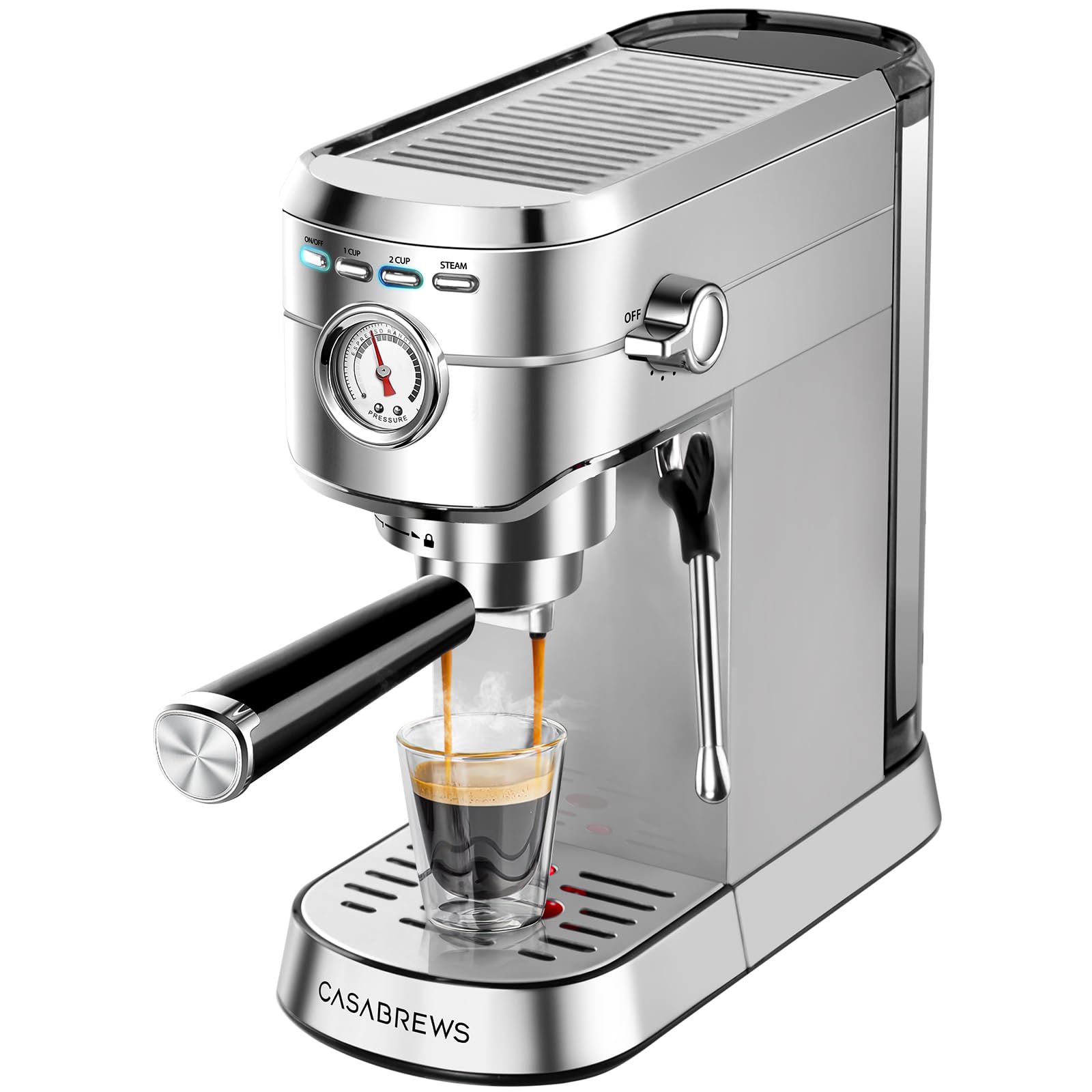 Best Overall
Pick 1: CASABREWS CM5418 Espresso Machine
Compact, steam-wand all-rounder
Buy on Amazon for CASABREWS CM5418 Espresso Machine (opens in a new tab, affiliate link) Why we picked it (CASABREWS CM5418 Espresso Machine)About $139.99 on Amazon as of
-
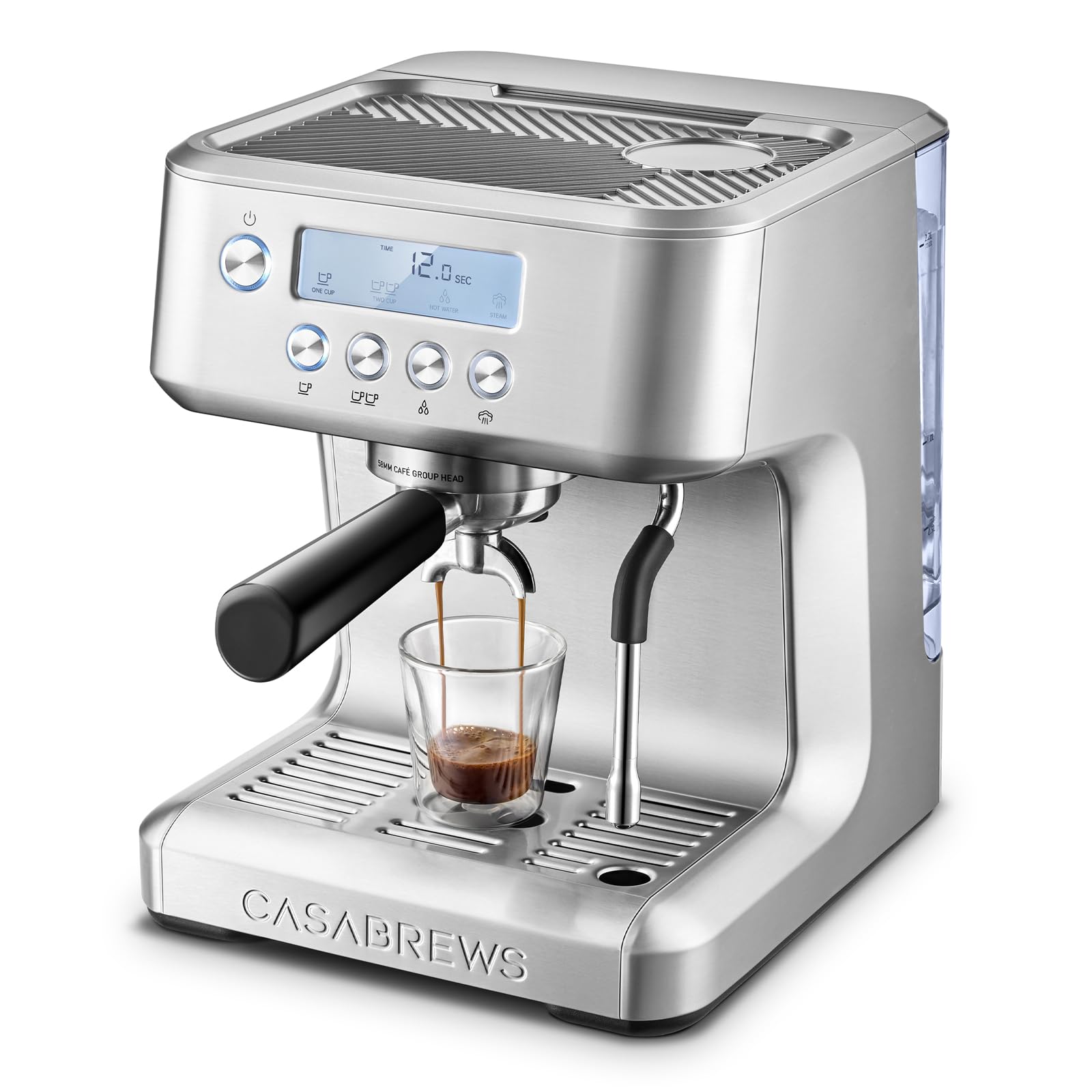 Best for Adjustable Settings
Pick 2: CASABREWS Espresso Machine with LCD Display
Display & adjustable temperature
Buy on Amazon for CASABREWS Espresso Machine with LCD Display (opens in a new tab, affiliate link) Why we picked it (CASABREWS Espresso Machine with LCD Display)About $209.99 on Amazon as of
-
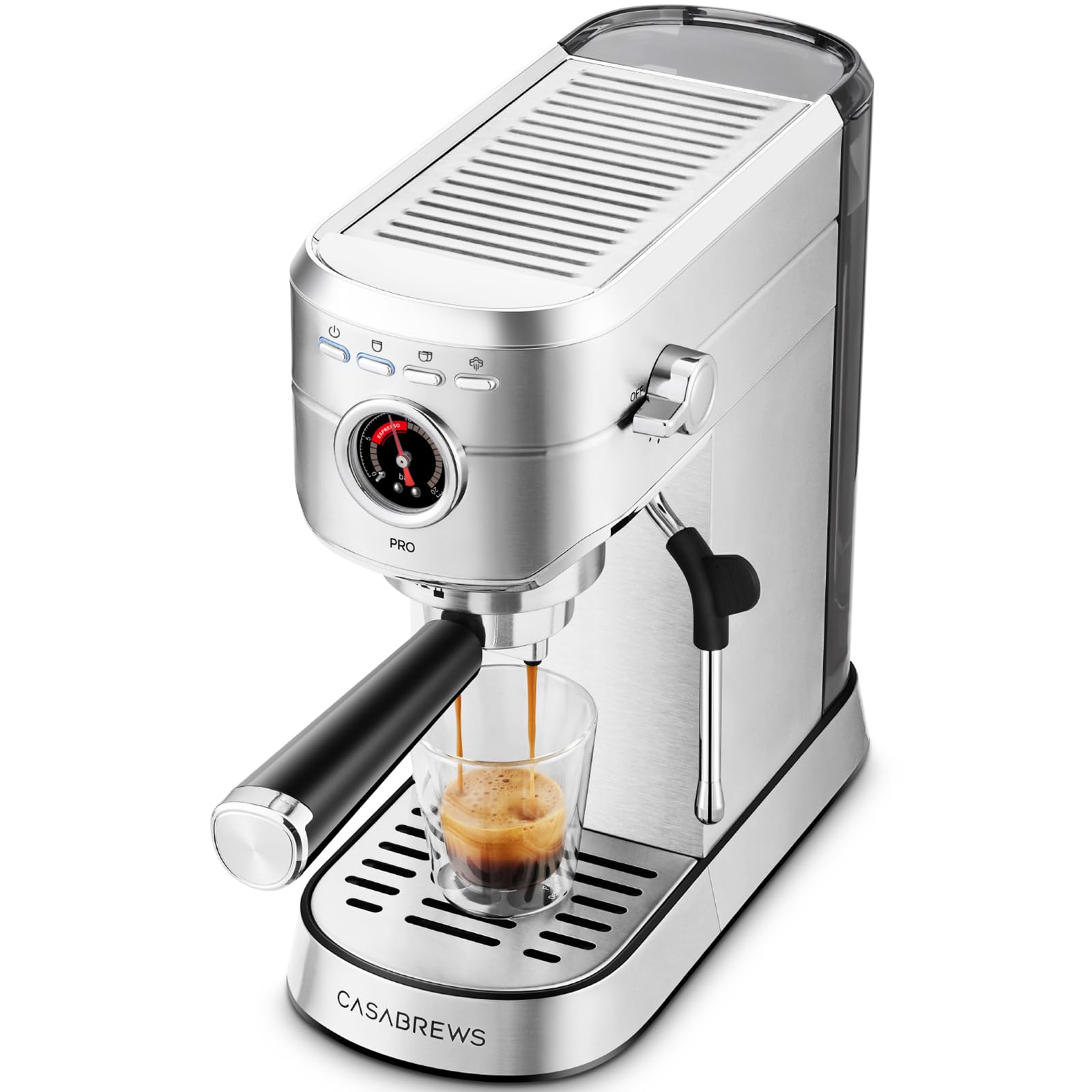 Best for Busy Mornings
Pick 3: CASABREWS 5418 PRO Espresso Machine
Newer "PRO" listing
Buy on Amazon for CASABREWS 5418 PRO Espresso Machine (opens in a new tab, affiliate link) Why we picked it (CASABREWS 5418 PRO Espresso Machine)About $192.37 on Amazon as of
Compare all 5 picks
Order reflects our current research-based ranking; see How We Rate for the criteria. Highlights are taken from seller listings and are not verified.
| Pick | Best for | Listing highlights (per listing, unverified) | Where to buy |
|---|---|---|---|
CASABREWS CM5418 Espresso MachineBest Overall |
Shoppers who want a compact, stainless-steel semi-automatic machine with a steam wand for milk drinks. |
|
About $139.99 on Amazon as of |
CASABREWS Espresso Machine with LCD DisplayBest for Adjustable Settings |
Shoppers who like the idea of an on-screen display and adjustable extraction temperature. |
|
About $209.99 on Amazon as of |
CASABREWS 5418 PRO Espresso MachineBest for Busy Mornings |
Shoppers comparing the standard CM5418 with its newer 'PRO' listing. |
|
About $192.37 on Amazon as of |
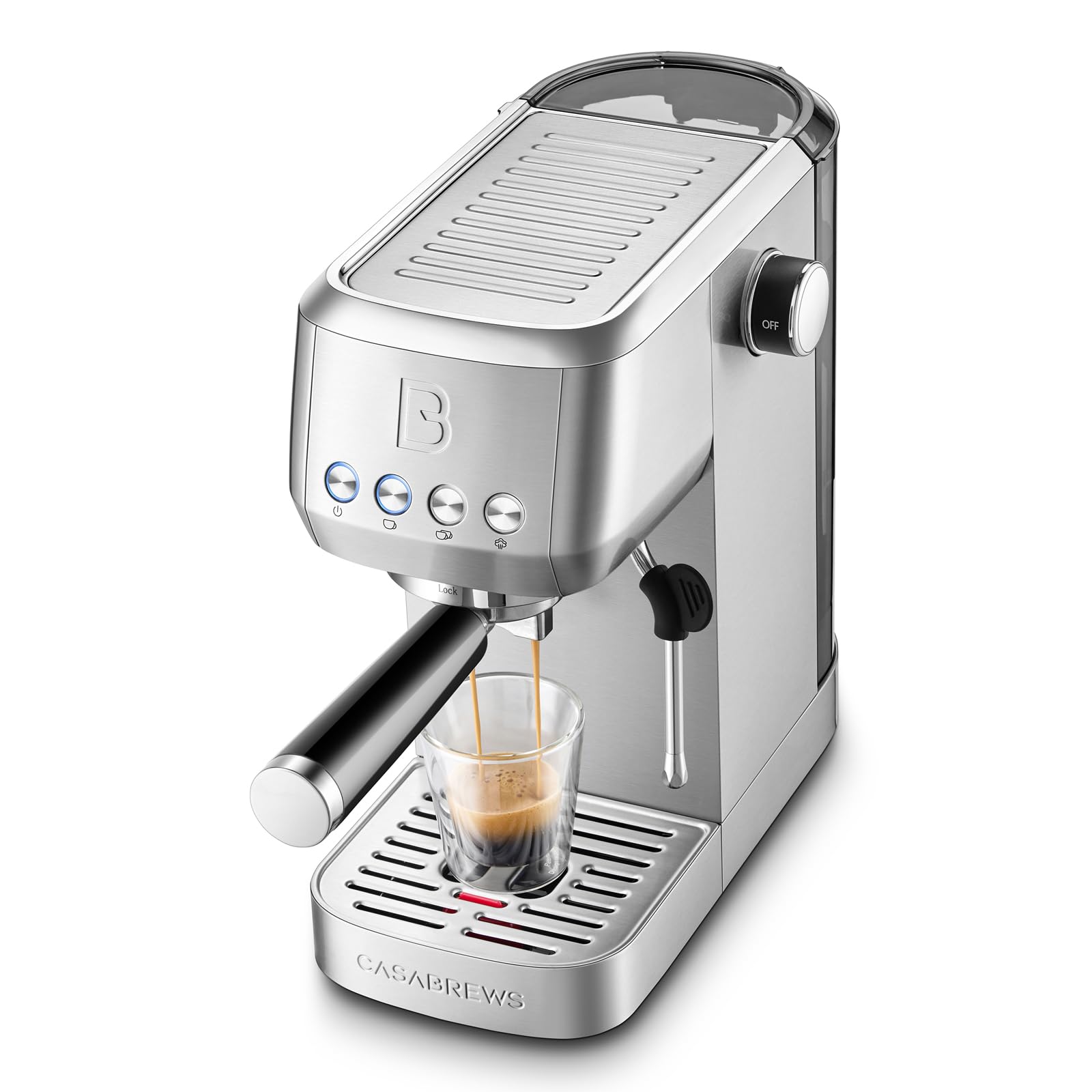 CASABREWS 20 Bar Professional Espresso Machine (49 oz Tank)Best for Multi-Drink Households |
Households making several drinks a day that want a larger water tank to refill less often. |
|
About $99.99 on Amazon as of |
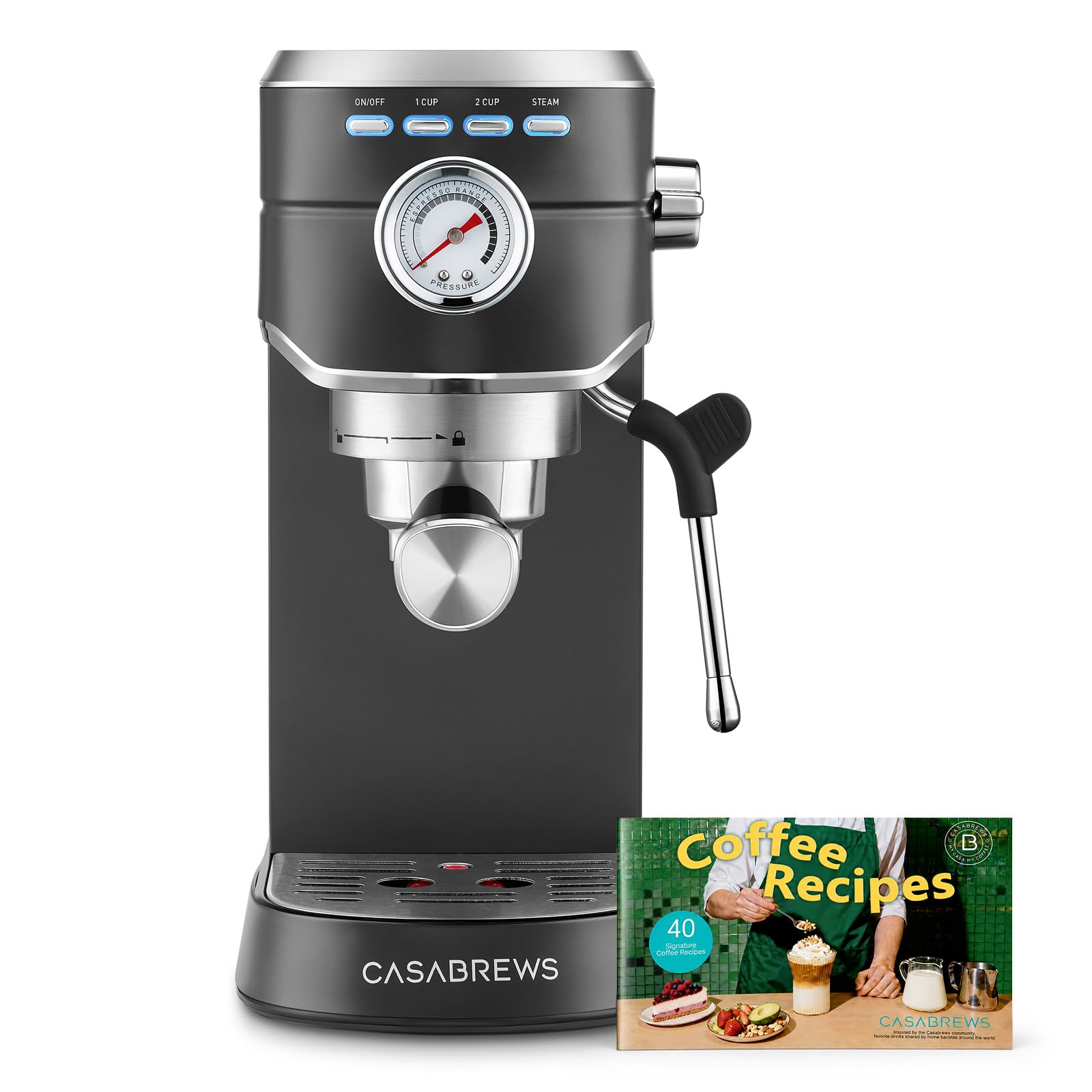 CASABREWS 20 Bar Compact Espresso Machine (Black)Best for Small Kitchens |
Shoppers with smaller kitchens who want a compact semi-automatic machine with a steam wand, in a black finish. |
|
About $169.99 on Amazon as of |
How we picked
Research-based, not hands-on tested. We compared listings against the buying criteria in this guide and explain who each pick suits. This list covers a limited set of models available through our affiliate partner. It is not a survey of the whole market, and several of the picks come from the same brand, so compare them against other options before you buy. How we rate · What our labels mean
Our 5 ranked picks
Pick 1: CASABREWS CM5418 Espresso Machine
Compact, steam-wand all-rounder
About $139.99 on Amazon as of
Best for: Shoppers who want a compact, stainless-steel semi-automatic machine with a steam wand for milk drinks.
Highlights from the product listing
- 20 bar pump (per listing)
- Compact design (per listing)
- Steam milk frother / wand (per listing)
- 34 oz removable water tank (per listing)
- Stainless steel housing (per listing)
Taken from the seller's listing, not tested or independently verified. Confirm specifications and current price on the retailer page before buying.
What we like
- Semi-automatic machines give you hands-on control over dose, grind and shot timing.
- A steam wand lets you texture milk for lattes and cappuccinos once you have practised.
- A removable water tank (listed) makes refilling and cleaning simpler than fixed tanks.
Keep in mind
- Semi-automatic espresso has a learning curve; expect some trial and error early on.
- Results depend heavily on the grinder and beans you pair with it, and a grinder is a separate purchase.
- Like all espresso machines it needs regular descaling and cleaning.
Pick 2: CASABREWS Espresso Machine with LCD Display
Display & adjustable temperature
About $209.99 on Amazon as of
Best for: Shoppers who like the idea of an on-screen display and adjustable extraction temperature.
Highlights from the product listing
- LCD display (per listing)
- Adjustable extraction temperature (per listing)
- Steam wand milk frother (per listing)
Taken from the seller's listing, not tested or independently verified. Confirm specifications and current price on the retailer page before buying.
What we like
- A display can make settings easier to see and repeat, if it works as described.
- Adjustable temperature (listed) is a feature some enthusiasts look for when dialling in different beans.
- A steam wand supports milk-based drinks.
Keep in mind
- More features can mean more settings to learn and more to go wrong; check the manual and owner reviews.
- A separate grinder is generally needed for good results.
- Regular descaling and cleaning are required.
Pick 3: CASABREWS 5418 PRO Espresso Machine
Newer "PRO" listing
About $192.37 on Amazon as of
Best for: Shoppers comparing the standard CM5418 with its newer 'PRO' listing.
Highlights from the product listing
- 20 bar pump (per listing)
- Described as an upgraded version (per listing)
- Fast heating system (per listing)
- Steam milk frother (per listing)
Taken from the seller's listing, not tested or independently verified. Confirm specifications and current price on the retailer page before buying.
What we like
- Faster heat-up (listed) can matter if you make coffee on busy mornings.
- Semi-automatic control suits people who enjoy dialling in their own shots.
- A steam wand supports lattes and cappuccinos.
Keep in mind
- It is not yet verified how this model differs from the standard CM5418; compare both listings before buying.
- Expect a learning curve with milk texturing and shot dialling.
- Needs a separate grinder and regular maintenance.
Pick 4: CASABREWS 20 Bar Professional Espresso Machine (49 oz Tank)
Larger water tank
About $99.99 on Amazon as of
Best for: Households making several drinks a day that want a larger water tank to refill less often.
Highlights from the product listing
- 20 bar pump (per listing)
- 49 oz removable water tank (per listing)
- Steam milk frother (per listing)
- Stainless steel (per listing)
Taken from the seller's listing, not tested or independently verified. Confirm specifications and current price on the retailer page before buying.
What we like
- A larger tank (listed) means fewer refills if several people use the machine.
- Semi-automatic control for hands-on espresso.
- A steam wand supports milk-based drinks.
Keep in mind
- A larger tank can mean a larger footprint; check counter and cabinet clearance.
- Learning curve for new espresso makers.
- Regular descaling, cleaning and a separate grinder are part of the ownership cost.
Pick 5: CASABREWS 20 Bar Compact Espresso Machine (Black)
Compact, black finish
About $169.99 on Amazon as of
Best for: Shoppers with smaller kitchens who want a compact semi-automatic machine with a steam wand, in a black finish.
Highlights from the product listing
- 20 bar pump (per listing)
- Compact design (per listing)
- Milk frother steam wand (per listing)
- Removable water tank (per listing)
- Stainless steel, black finish (per listing)
Taken from the seller's listing, not tested or independently verified. Confirm specifications and current price on the retailer page before buying.
What we like
- Compact format (listed) may suit smaller kitchens.
- Semi-automatic design lets you control the process.
- A steam wand supports milk drinks.
Keep in mind
- It closely resembles other models from the same brand; confirm the differences before choosing.
- Espresso takes practice, and results depend on your grinder and beans.
- Needs routine cleaning and descaling.
Buying guide: how to choose
Quick checklist before you buy
- Decide whether you mainly drink straight espresso or milk drinks; that decides how much the steam wand matters.
- Budget for a burr grinder that can grind fine enough for espresso, unless you already own one.
- Measure the counter depth and the height under your cabinets, including room to lift the lid and refill the tank.
- Check whether the portafilter comes with pressurized (dual-wall) baskets, non-pressurized (single-wall) baskets, or both.
- Read the warranty terms and look up where replacement gaskets, baskets and portafilters come from.
A good fit if…
- You enjoy a hands-on routine and are happy to practise grind size, dose and timing.
- You want café-style milk drinks at home and are willing to learn milk texturing.
- You make one to a few drinks at a time rather than coffee for a crowd.
Maybe skip it if…
- You want coffee at the press of a button with no learning curve; a fully automatic or pod machine suits that better.
- You mostly drink large mugs of filter coffee; a drip brewer or pour-over is simpler and cheaper.
- You do not want to clean a portafilter, drip tray and steam wand after use.
Semi-automatic vs. automatic vs. pod
Semi-automatic machines give you control over the grind, dose and shot, and usually include a steam wand for milk. They reward practice but can be fiddly at first. Fully automatic (bean-to-cup) machines grind, tamp and brew for you, trading control for convenience. Pod machines are the simplest of all, but you are limited to the pods available for that system.
Every machine in this guide is listed as semi-automatic with a steam wand, so expect a learning curve during the first weeks.
Pump pressure is not the whole story
Listings often headline a "15 bar" or "20 bar" pump figure. That is the maximum the pump can produce. Espresso extraction is generally discussed around 9 bar at the coffee, so a bigger number on the box does not by itself mean better coffee.
More useful signals are how stable the brewing temperature is, how solid the portafilter and group feel, and what long-term owners say about consistency and reliability.
Heating: thermoblock vs. boiler
Many compact home machines heat water on demand with a thermoblock or thermocoil, which usually means a short warm-up. Machines with a boiler hold a reservoir of hot water, which adds thermal mass but typically takes longer to heat. Some machines can brew and steam at the same time; many entry-level machines cannot, so you wait briefly between pulling a shot and steaming milk.
If a listing mentions adjustable temperature, it can help when switching between light and dark roasts, but it is a feature to confirm in the manual rather than assume.
Portafilter size and baskets
Home machines commonly use portafilters somewhere between about 51 and 58 mm. Larger, standard sizes can make it easier to find aftermarket baskets, tampers and dosing funnels, so check the size before buying accessories.
Pressurized (dual-wall) baskets are forgiving and work with pre-ground coffee, but limit how much you can fine-tune. Non-pressurized (single-wall) baskets give more control and flavor clarity, but need a fine, consistent grind and a steady tamp.
Budget for a grinder
Fresh, consistent grounds matter as much as the machine. Most home baristas pair an espresso machine with a separate burr grinder that has fine adjustment steps, so factor that into your total budget.
Blade grinders produce uneven particles and are generally not recommended for espresso. If you plan to buy pre-ground coffee, look for a machine that includes pressurized baskets.
Milk drinks and the steam wand
If you mostly drink lattes and cappuccinos, the steam wand matters. Texturing milk takes practice: a stainless steel milk pitcher and cold milk make it easier. Some wands have a "panarello" sleeve that helps beginners make foam but offers less control over microfoam.
If you drink straight espresso or Americanos, you can care less about steam performance and focus on shot consistency.
Size, water tank and placement
Check the footprint against your counter and the height under your cabinets, leaving room to remove the tank and place a cup under the spouts. A 34 oz tank holds about one liter; a 49 oz tank holds about one and a half liters, which means fewer refills if several people use the machine.
A removable tank is easier to clean and refill at the sink. Keep the machine near an outlet that is not shared with other high-draw appliances like kettles or toasters.
Cleaning and maintenance routine
Espresso machines need routine care to keep tasting good and avoid breakdowns. A typical routine looks like this; always follow your manual where it differs:
- After each use: knock out the puck, rinse the basket, purge and wipe the steam wand immediately.
- Daily: empty and rinse the drip tray; run a short flush of water through the group head.
- Weekly: wash the portafilter, baskets and tank; check the shower screen for coffee buildup.
- Every few months: descale as the manufacturer recommends. Harder water means more frequent descaling, and some makers advise against fully demineralized water.
- Yearly or as needed: replace the group gasket if shots start leaking around the portafilter.
Accessories worth considering
A few inexpensive extras make a bigger difference than upgrading the machine itself:
- A tamper that fits your basket size properly (the included plastic tamper is often a weak point).
- A small kitchen scale that reads to 0.1 g, to weigh your dose and your shot.
- A milk pitcher if you make milk drinks, and a knock box or bin for spent pucks.
- Fresh whole beans with a roast date, stored airtight away from light and heat.
Warranty and support
Before buying, read the warranty terms and check how to reach customer support. Find out where to get replacement parts such as gaskets, portafilters, baskets and water filters, especially for brands with a smaller US presence.
Frequently asked questions
Do I need a separate grinder for espresso?
For the best results, yes. Espresso needs a fine, consistent grind, and pre-ground coffee is often too coarse or stale. A burr grinder with fine adjustment is the usual recommendation. If you must use pre-ground coffee, pressurized (dual-wall) baskets are more forgiving.
What does "20 bar" mean on an espresso machine?
It is the maximum pressure the pump can produce. Espresso extraction is usually described around 9 bar at the coffee, so the headline number is mainly marketing rather than a measure of quality.
How often should I descale my machine?
It depends on your water hardness and how often you use the machine. Follow the manufacturer's instructions and the descaling reminders, if any, in the manual. Hard water usually means descaling more often.
Are these machines good for beginners?
Semi-automatic machines can be a fine way to learn, but expect some trial and error with grind size, dose and milk texturing. If you want the least effort, consider an automatic or pod-based machine instead.
What is the difference between pressurized and non-pressurized baskets?
Pressurized (dual-wall) baskets create resistance themselves, so they are forgiving with pre-ground coffee and inconsistent tamping. Non-pressurized (single-wall) baskets rely on the coffee puck for resistance, which gives more control and flavor clarity but needs a good grinder.
Can I make a regular cup of coffee with an espresso machine?
You can make an Americano by adding hot water to a shot of espresso. It tastes different from drip coffee, but many people enjoy it as an everyday cup.
Why does my espresso taste sour or bitter?
As a general rule, sour, thin shots often mean under-extraction (try a finer grind or a longer shot), while harsh, bitter shots often mean over-extraction (try a coarser grind or a shorter shot). Fresh beans and a clean machine also make a big difference.
What water should I use?
Filtered water that is not extremely hard is a common recommendation, because it reduces scale buildup. Check your manual, since some manufacturers advise against fully distilled or demineralized water.
Did you test these espresso machines?
No. These are research-based picks, not hands-on tests. See How We Rate for how we choose and what we do and do not claim.
More buying guides

Best Stand Mixers
Four listings of a large 8.4 qt commercial-style stand mixer compared, with advice on capacity, design and choosing the right size.
Best Overall: ZACME 8.4 Qt Commercial-Style Stand Mixer (800W)
About $499.99 on Amazon as of

Best Water Filters: Under-Sink Reverse Osmosis Systems
Six under-sink reverse osmosis water filters compared, all from Waterdrop, with a guide to stages, flow, certifications and installation.
Best Overall: Waterdrop G3P600 Tankless Reverse Osmosis System
About $539.00 on Amazon as of
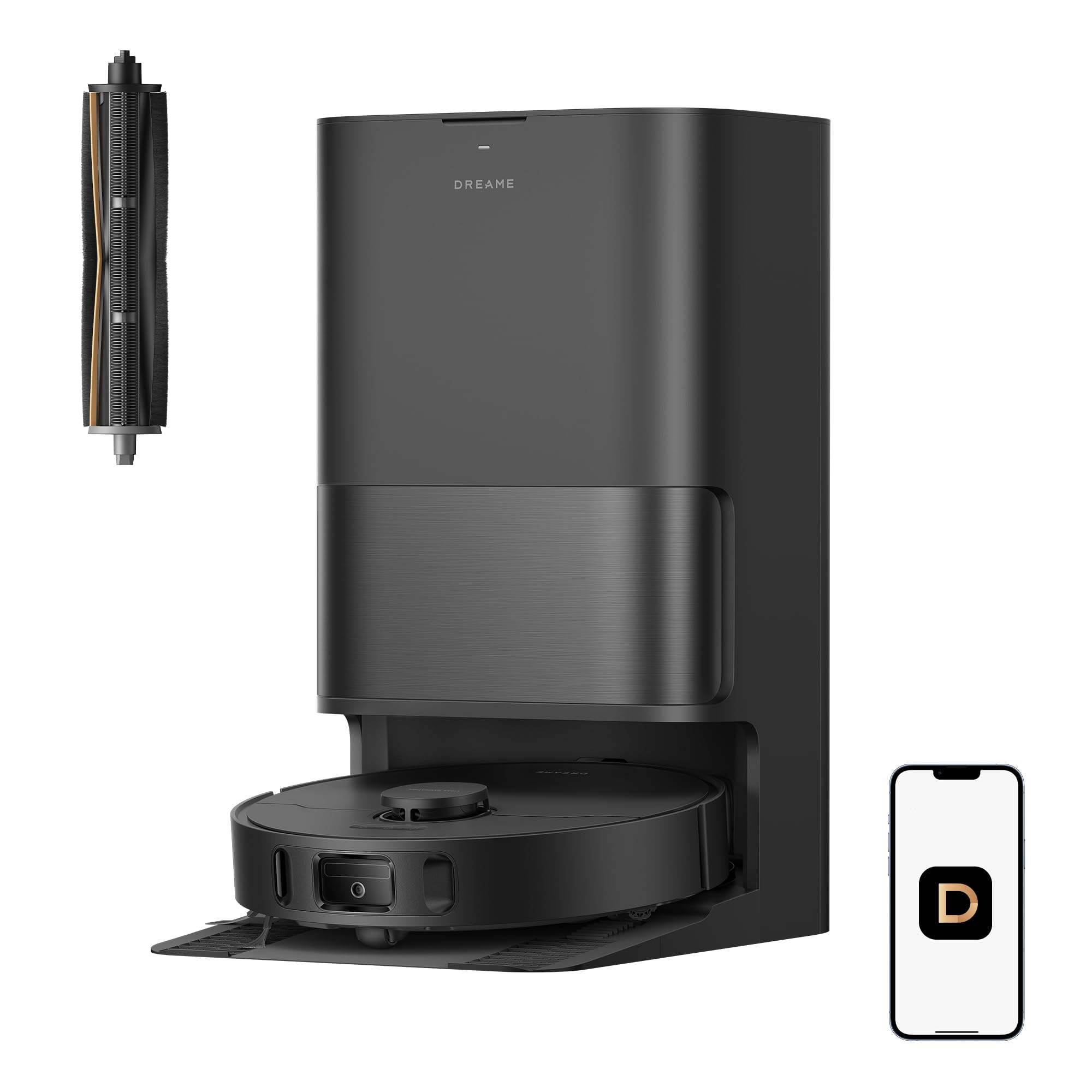
Best Robot Vacuums and Mops
Five robot vacuum-and-mop models compared, with advice on navigation, docks, upkeep and privacy.
Best Overall: Dreame D30 Ultra Robot Vacuum and Mop
About $442.29 on Amazon as of
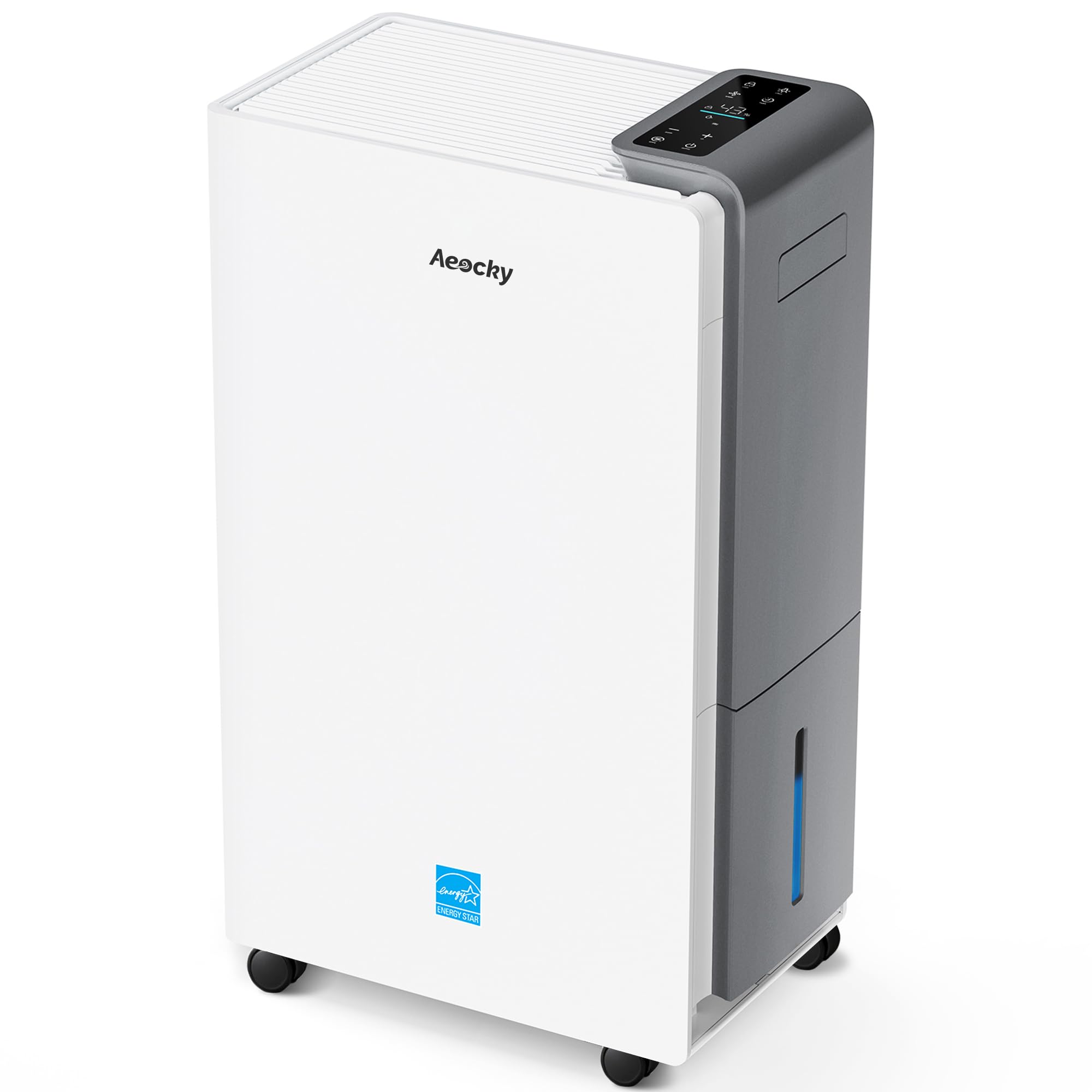
Best Dehumidifiers
Six dehumidifiers compared, from a closet-size desiccant unit to large basement compressors with pumps, plus a buying guide on sizing and drainage.
Best Overall: AEOCKY 80-Pint Smart Compressor Dehumidifier (4,500 sq ft)
About $212.47 was $249.97 on Amazon as of
Consumers Ranks may earn a commission from qualifying purchases made through links on this page. Prices and availability are set by the retailer and can change. Affiliate Disclosure